Waggel / Case study
4 min read
Claims Platform.
Redesigning a complex internal claims platform to reduce manual work, improve consistency and help claims handlers process insurance claims faster.
- Role
- Design Lead
- Duration
- 14 months
- Team
- 1 Product Manager, 2 Frontend Developers, 2 Backend Developers, 2 QA, 2 Product Designers
- Product
- Internal claims management platform
01 / The challenge
More claims coming in than going out.
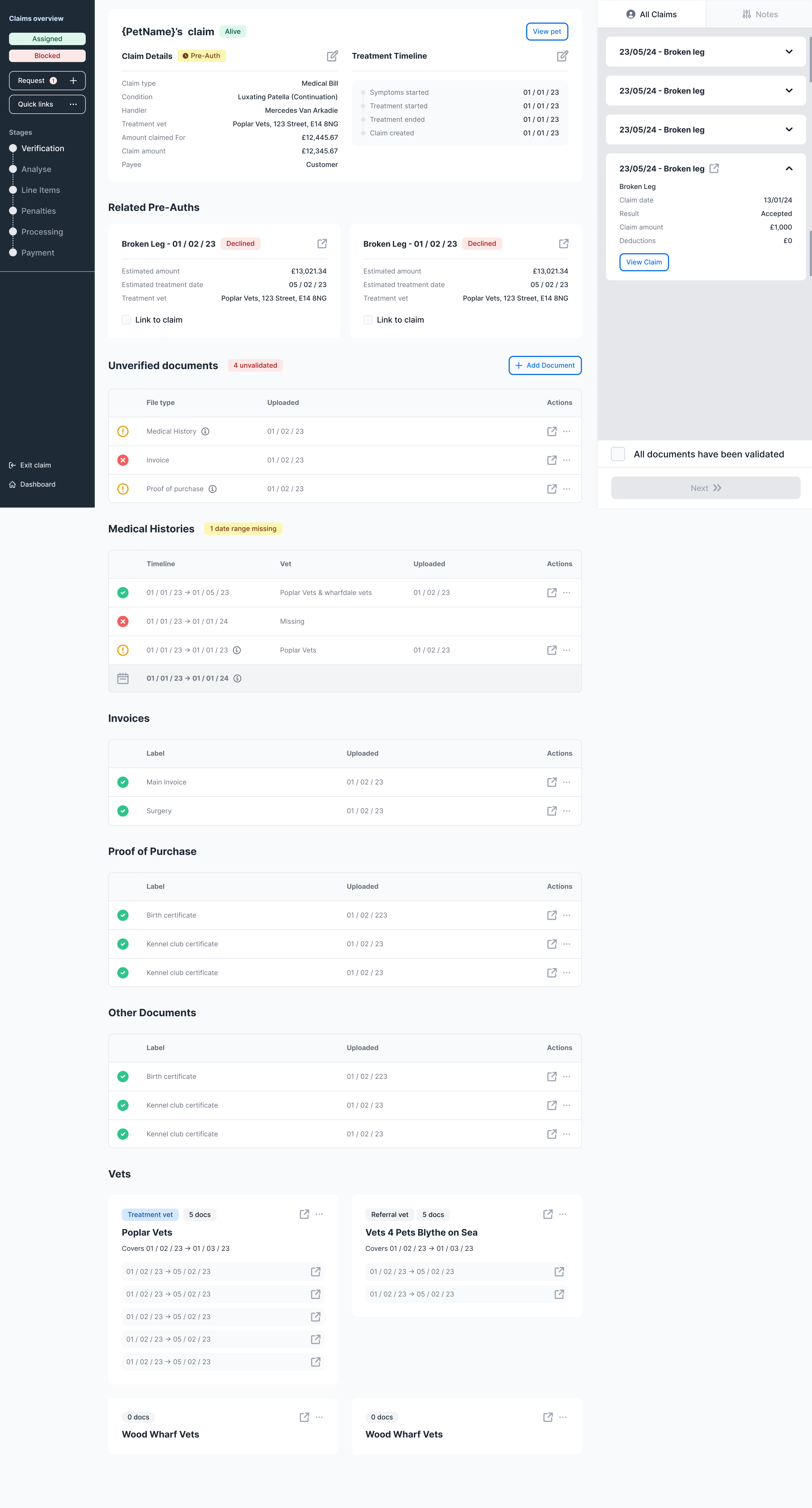
Waggel's claims operation was processing around 355 claims per day while receiving approximately 400 new claims. The existing platform relied on inconsistent workflows, repetitive manual tasks and individual workarounds, creating delays and increasing the risk of human error.
To support a growing operation, we needed more than a visual refresh. We needed to rethink how claims moved through the system.
400
New claims per day
355
Claims processed per day
45
Claims added to the backlog daily
Used across 3 operational teams · 50+ users
02 / Discovery
The problem wasn't just the interface.
I spent time with claims handlers and operational stakeholders to understand how claims were processed in practice, rather than relying solely on how the existing system was intended to work.
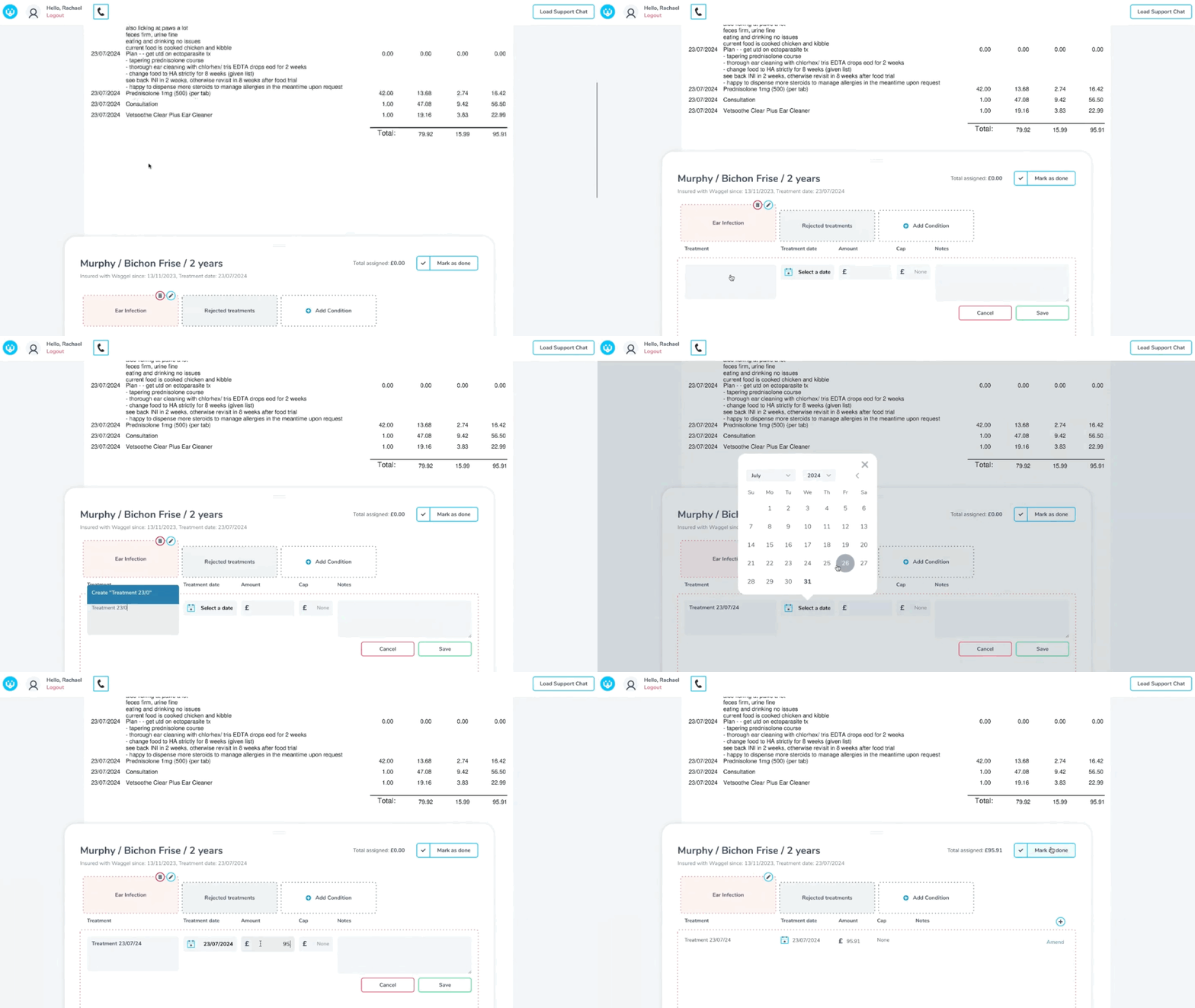
Shadowing, interviews and workflow analysis revealed inconsistent ways of completing the same tasks, repeated requests for missing information and limited visibility into where claims were getting stuck.
01
Inconsistent workflows
Handlers used different approaches and workarounds to complete the same tasks.02
Information bottlenecks
Missing or unclear information created unnecessary follow-ups and slowed verification.03
Limited visibility
The existing process made it difficult to isolate delays, monitor decisions and identify opportunities for automation.
03 / The strategy
One consistent process. Five clear stages.
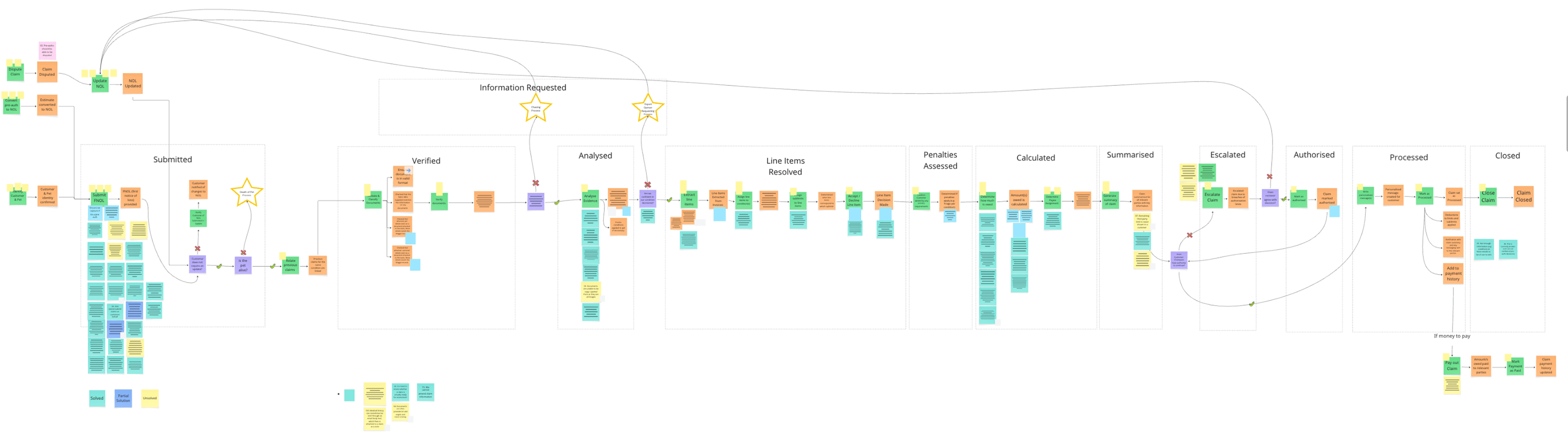
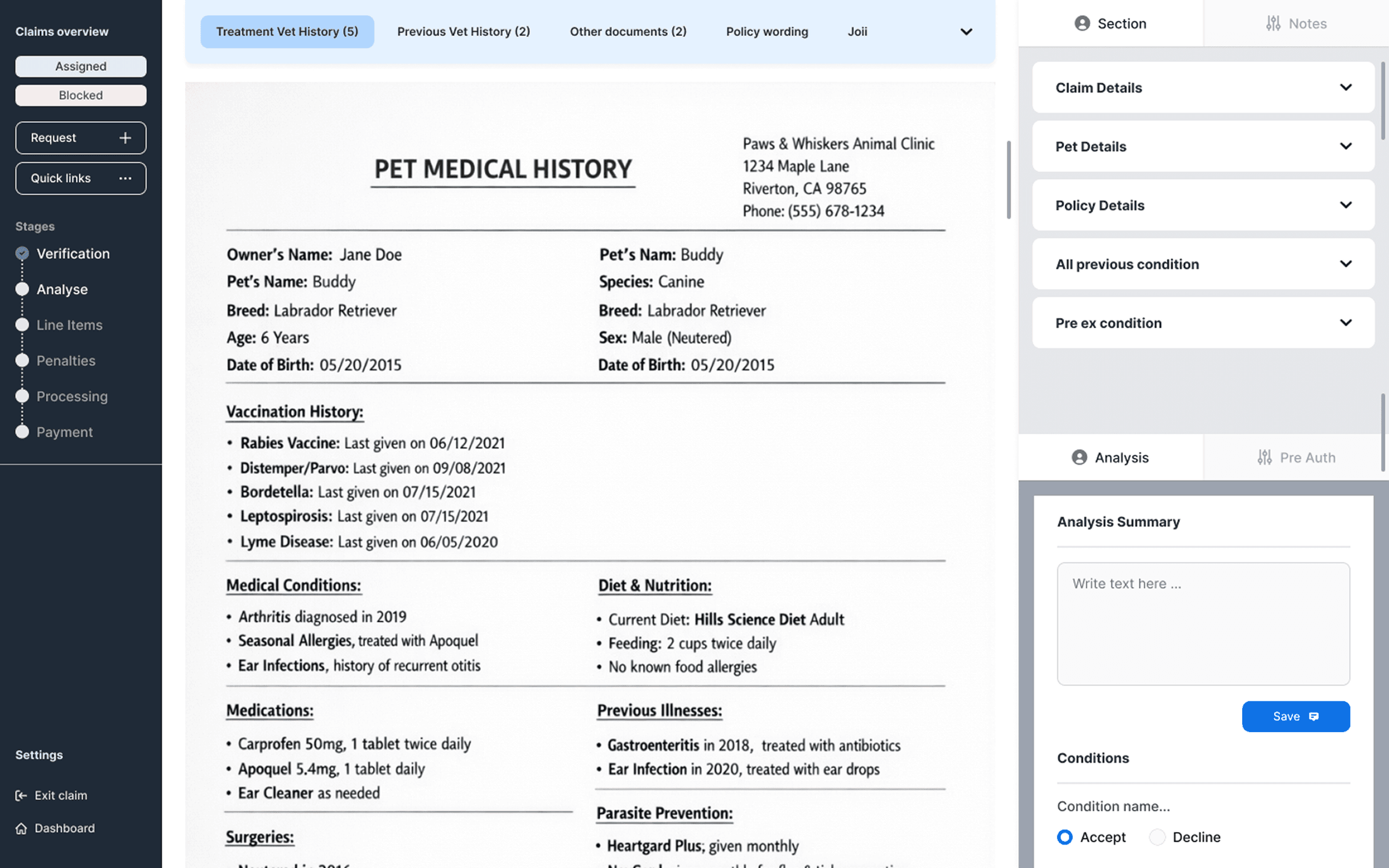
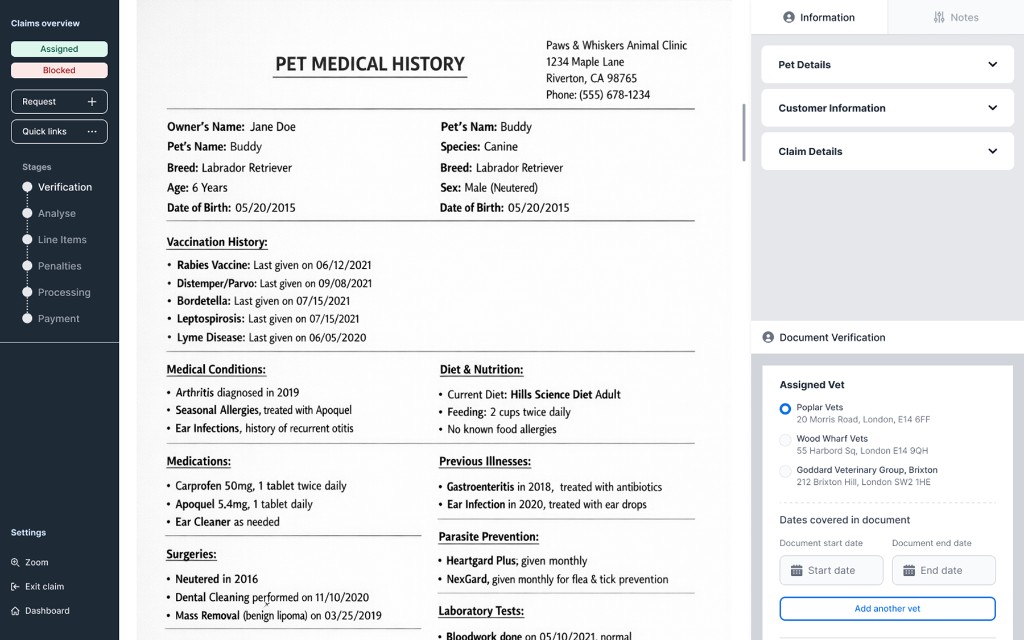
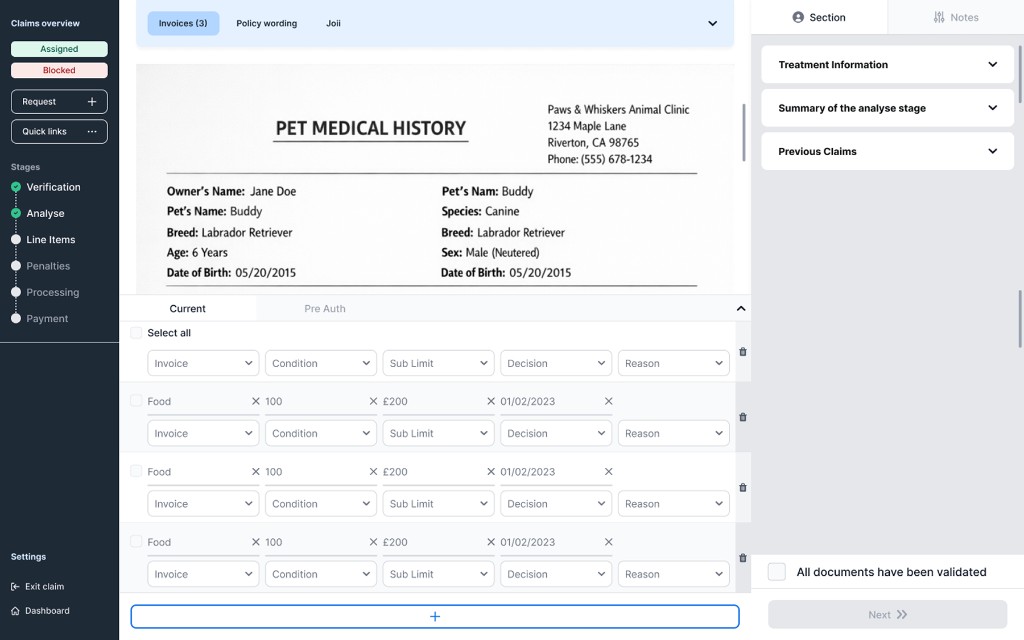
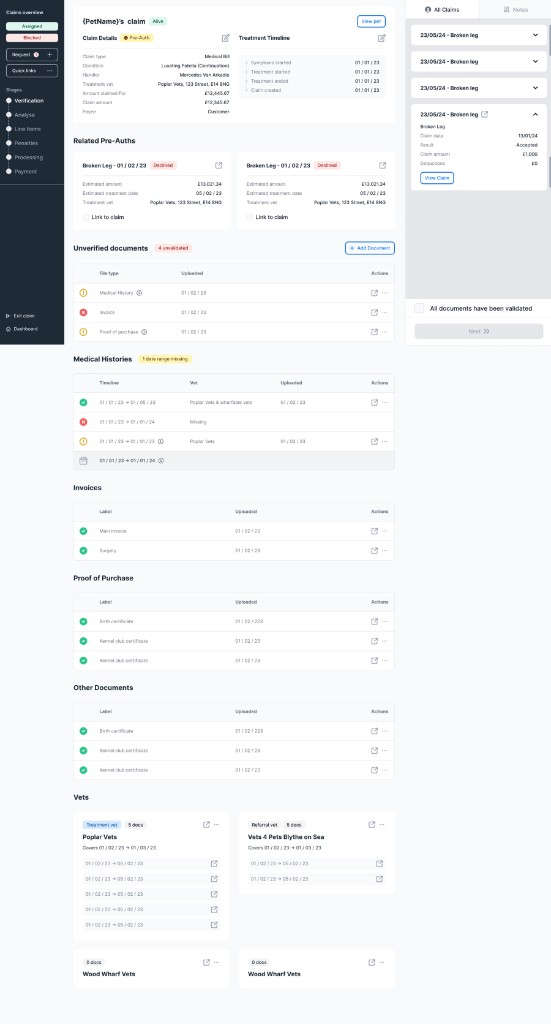
I led the design direction towards a modular workflow that separated claims processing into distinct stages. This gave handlers a clearer journey, grouped relevant decisions together and made bottlenecks easier to identify.
The structure also created a foundation for introducing automation progressively, rather than trying to automate an inconsistent process.
- 1
01
Verification
- 2
02
Analysis
- 3
03
Line Items
- 4
04
Penalties
- 5
05
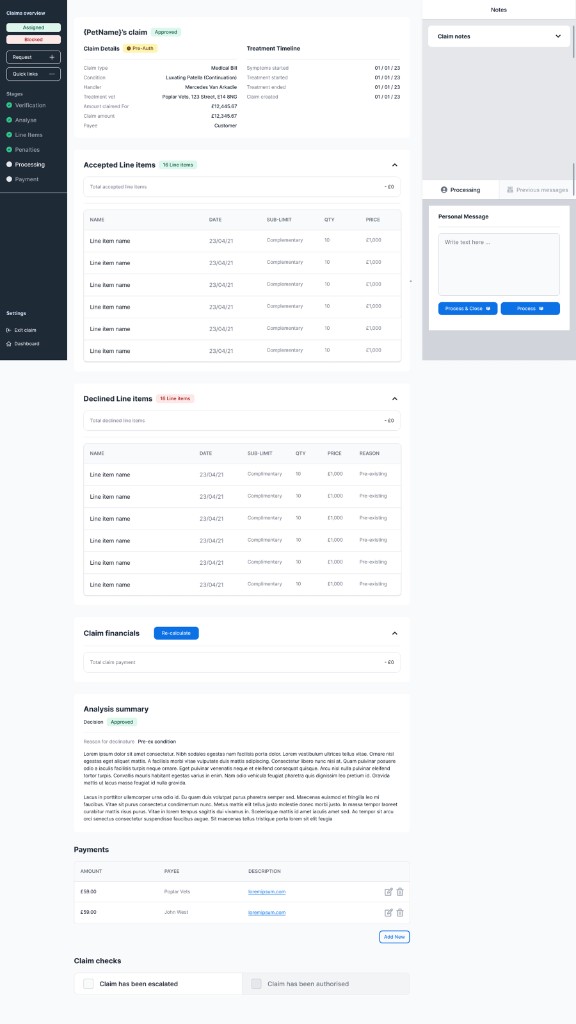
Processing
04 / The approach
Making the right trade-offs.
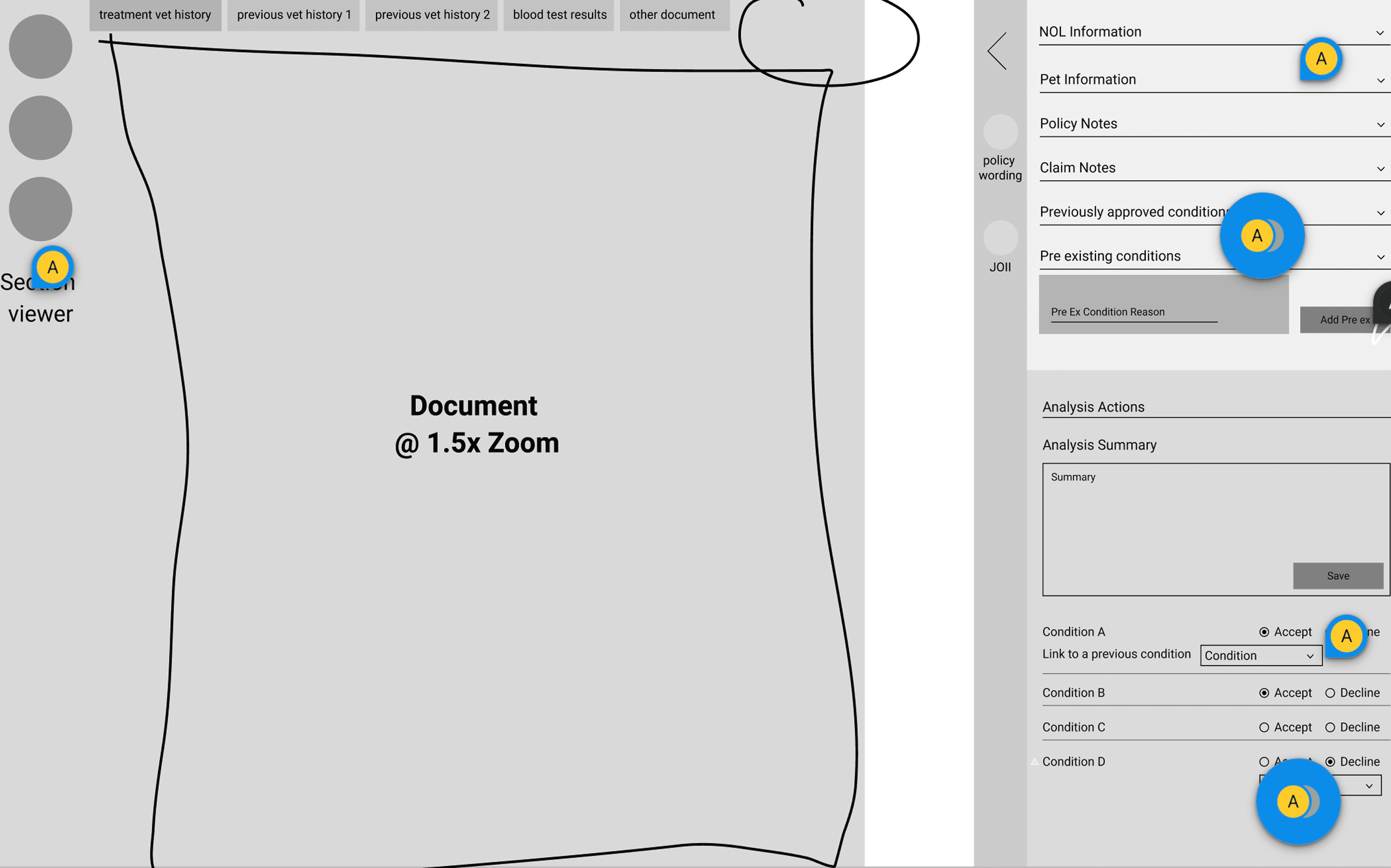
As the delivery timeline shortened, we focused the first release on the changes that would have the greatest operational impact. Working closely with engineering and another designer, I prioritised essential workflows against implementation effort, moving less critical improvements into later iterations.
The aim was to create a platform that was immediately useful, consistent across teams and flexible enough to improve after launch.
01
Clarity over complexity.
02
Consistency over individual workarounds.
03
A foundation for future automation.
05 / The experience
Small decisions. Meaningful improvements.
01
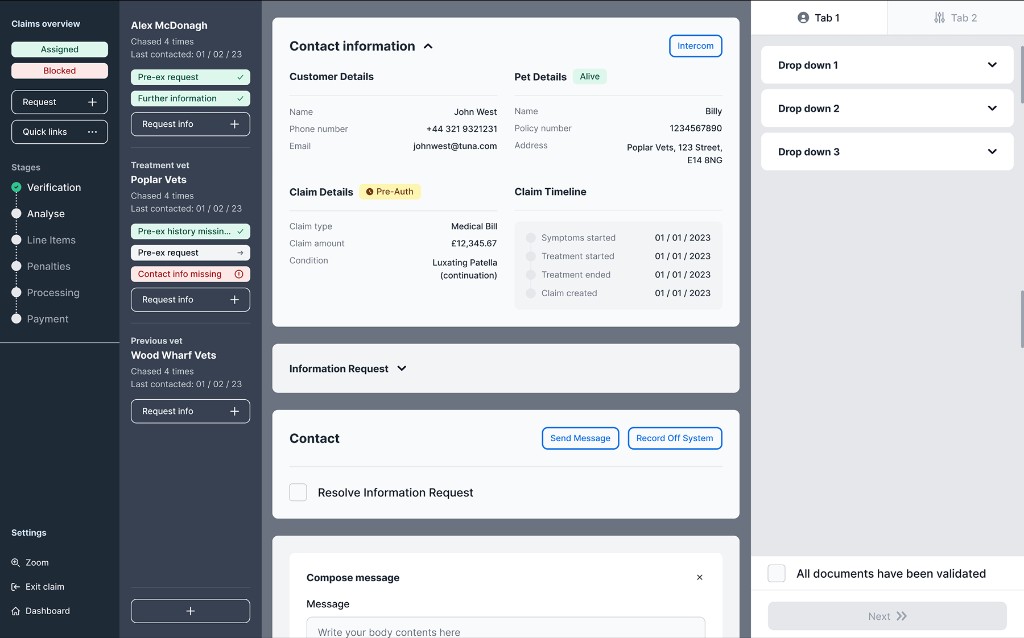
Context where it's needed
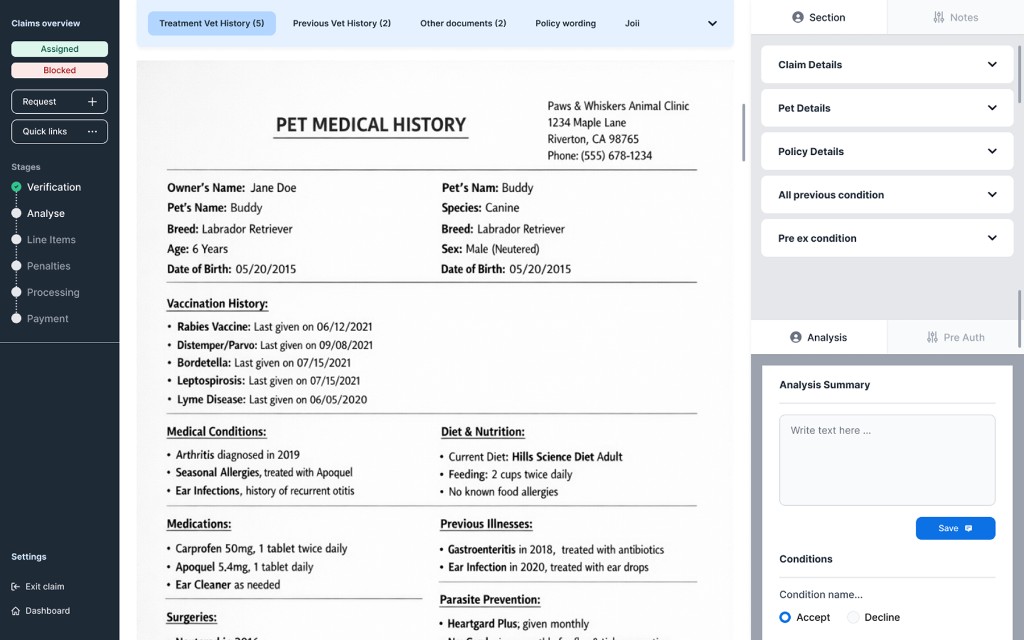
Testing highlighted the importance of having relevant information available while completing tasks. A contextual information panel helped handlers make decisions without unnecessary navigation.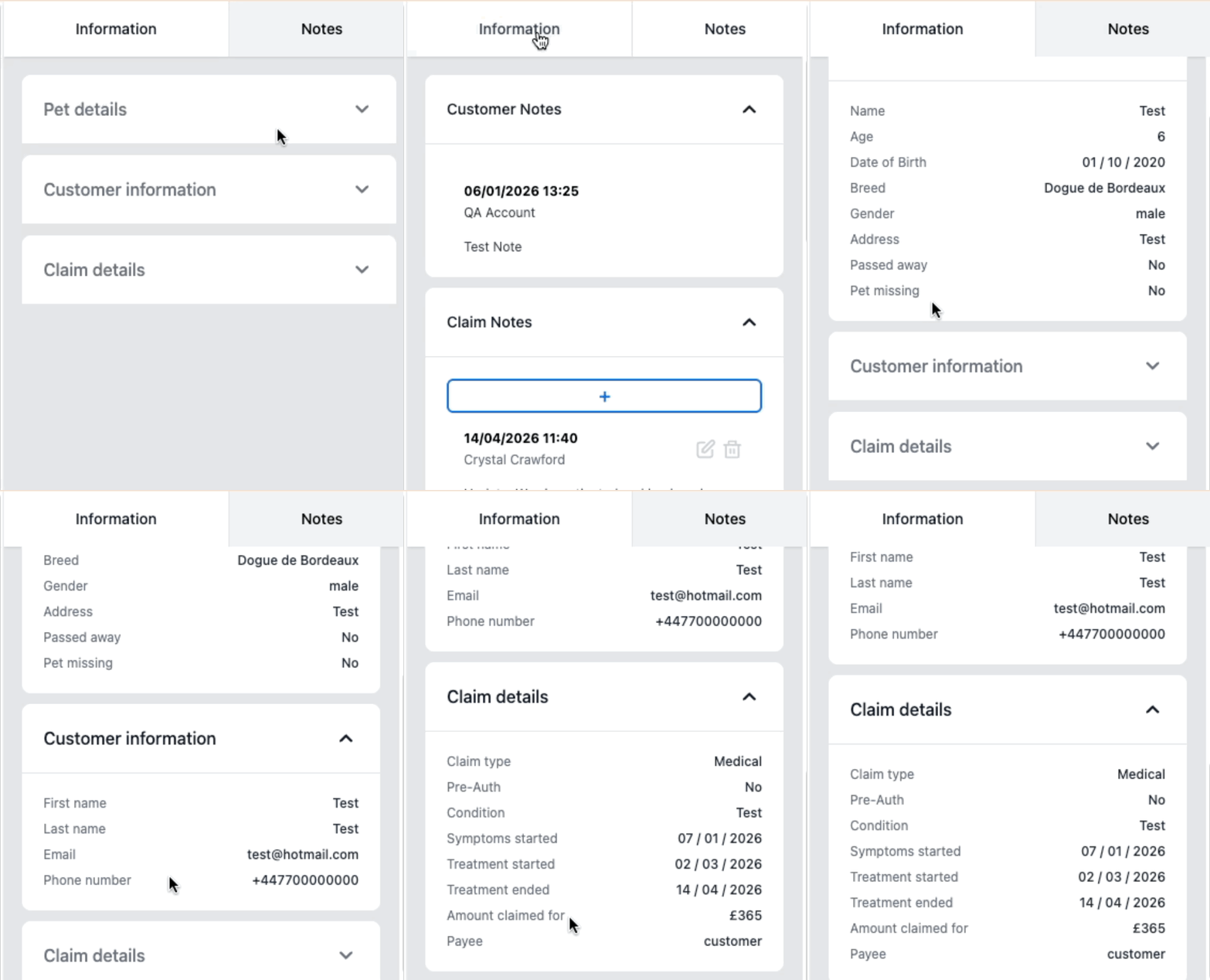
02
Less repetitive navigation
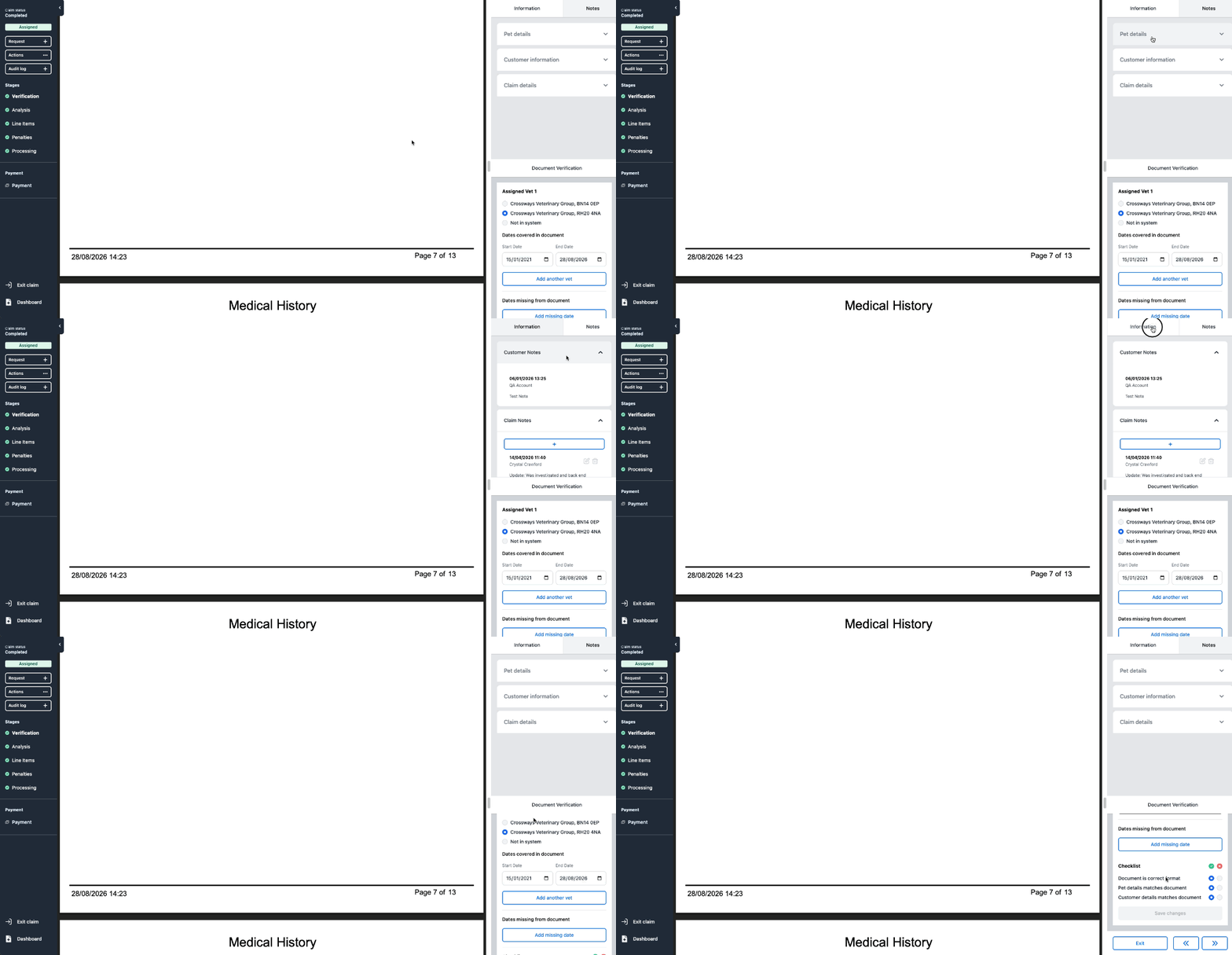
Navigate forwards and backwards between documents without moving the cursor, reducing unnecessary mouse movement and making document reviews quicker and more seamless.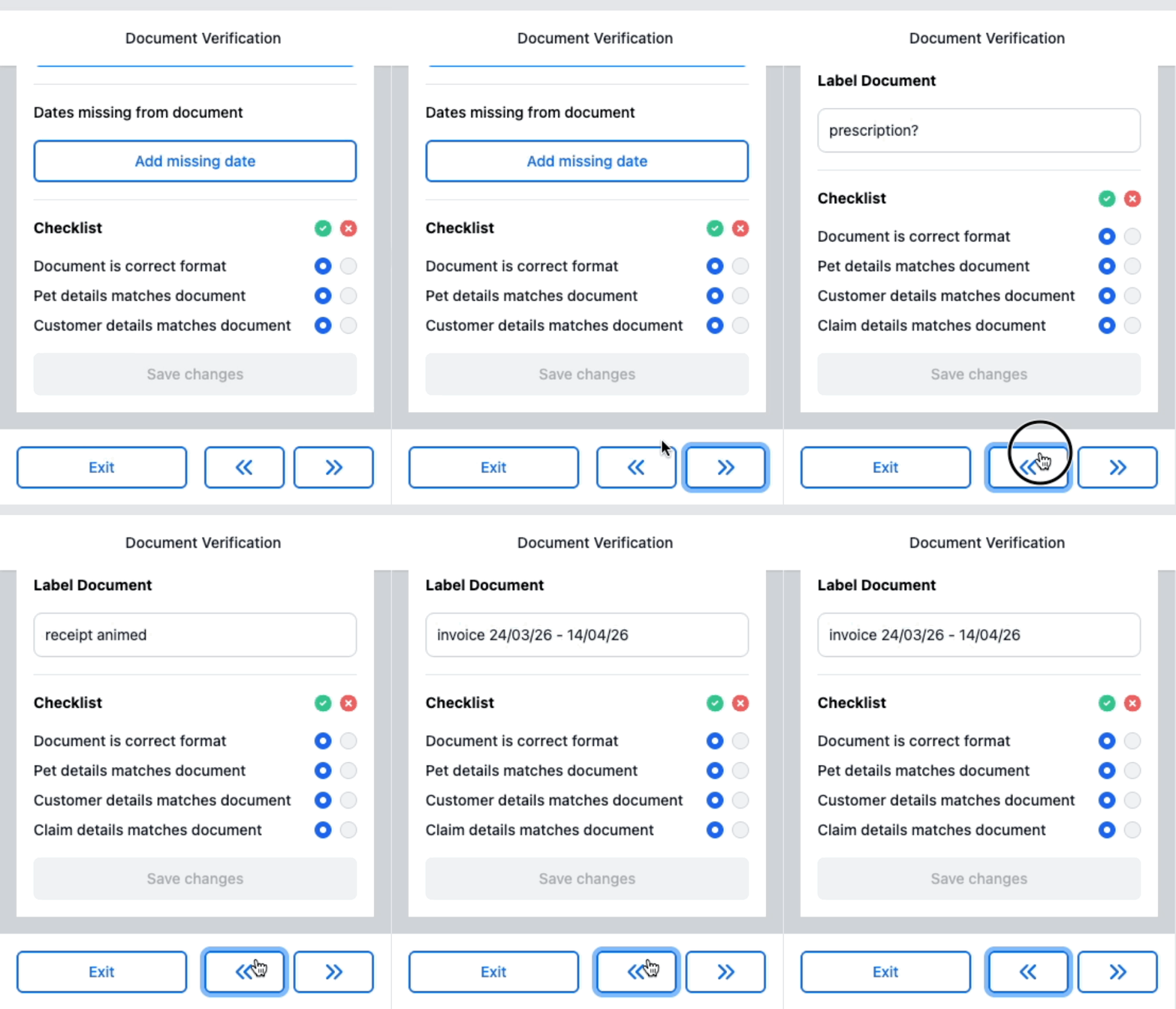
03
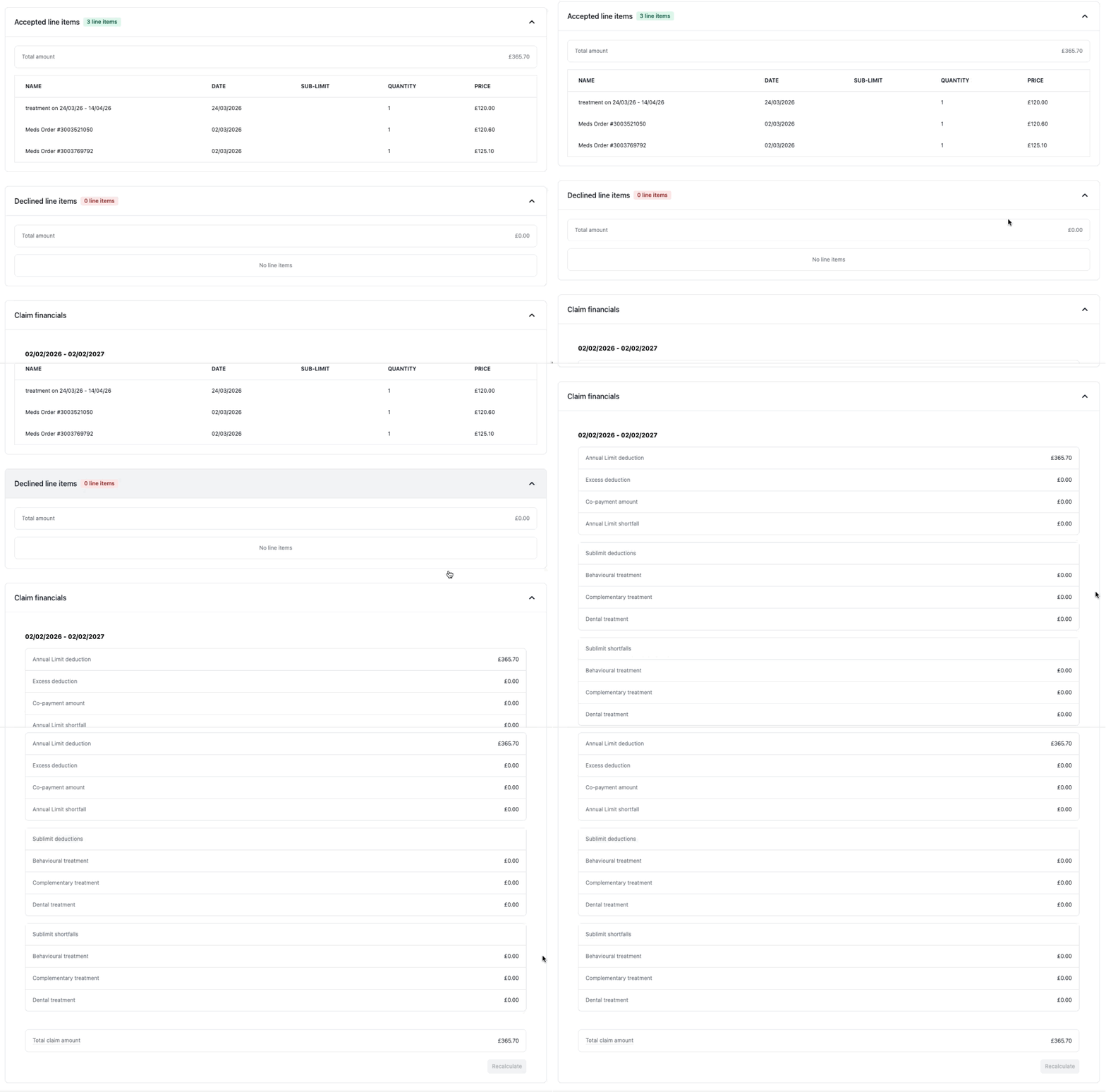
Better oversight and fewer errors
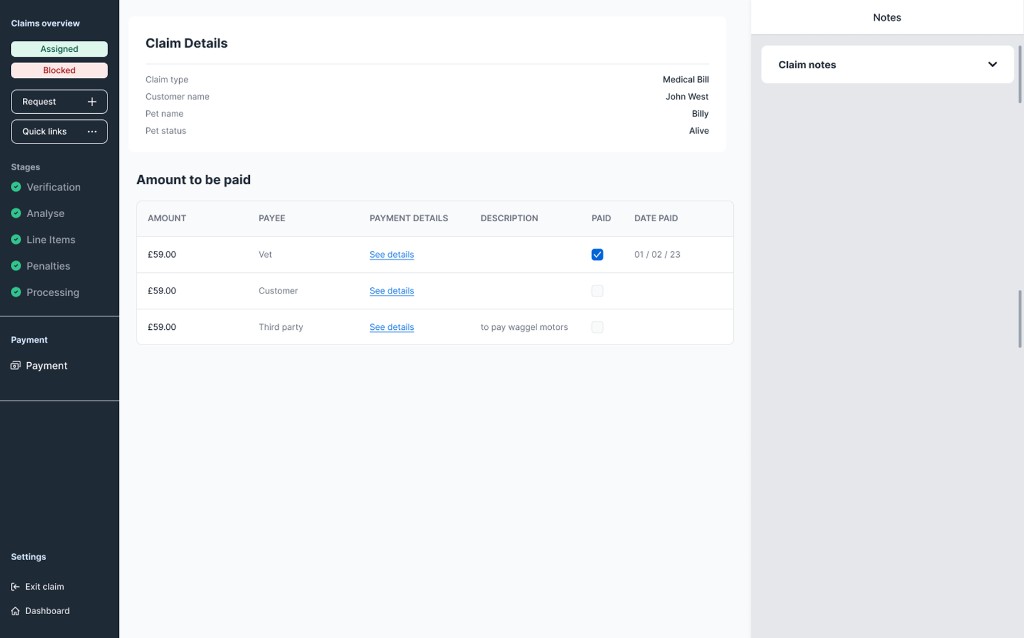
An audit trail improved visibility for operational leadership and quality assurance, while system-calculated payment figures helped reduce manual calculation errors.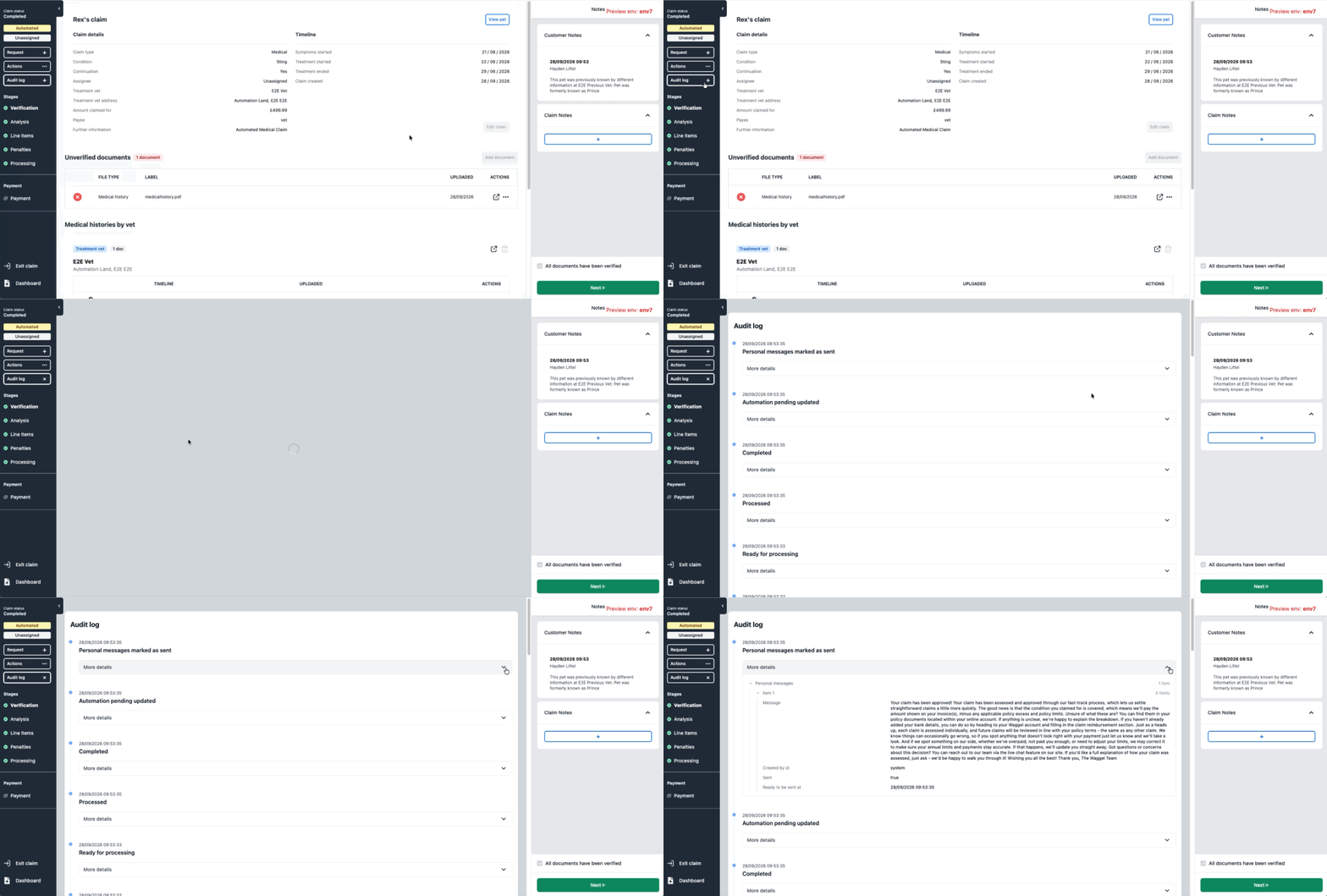
The audit trail, showing how claim activity and decisions are recorded and reviewed.
06 / The impact
Faster work. Fewer follow-ups. More confidence.
42%
Faster verification
~50%
Fewer follow-up requests
~15%
Faster claim processing
No payment leakage observed in the evaluated post-launch claims sample.
This followed improvements to processing consistency and system-calculated payment figures.
The redesign improved the speed and consistency of core claims workflows while giving operational teams a clearer foundation for ongoing improvements and future automation.
07 / Looking back
Building for what comes next.
The biggest challenge was balancing the ideal experience with the time available to deliver it. A more ambitious first release would have allowed greater refinement, but prioritising the core workflow meant we could deliver operational improvements sooner.
The modular approach also made future improvements easier to approach independently, rather than treating the entire claims process as one inseparable system.